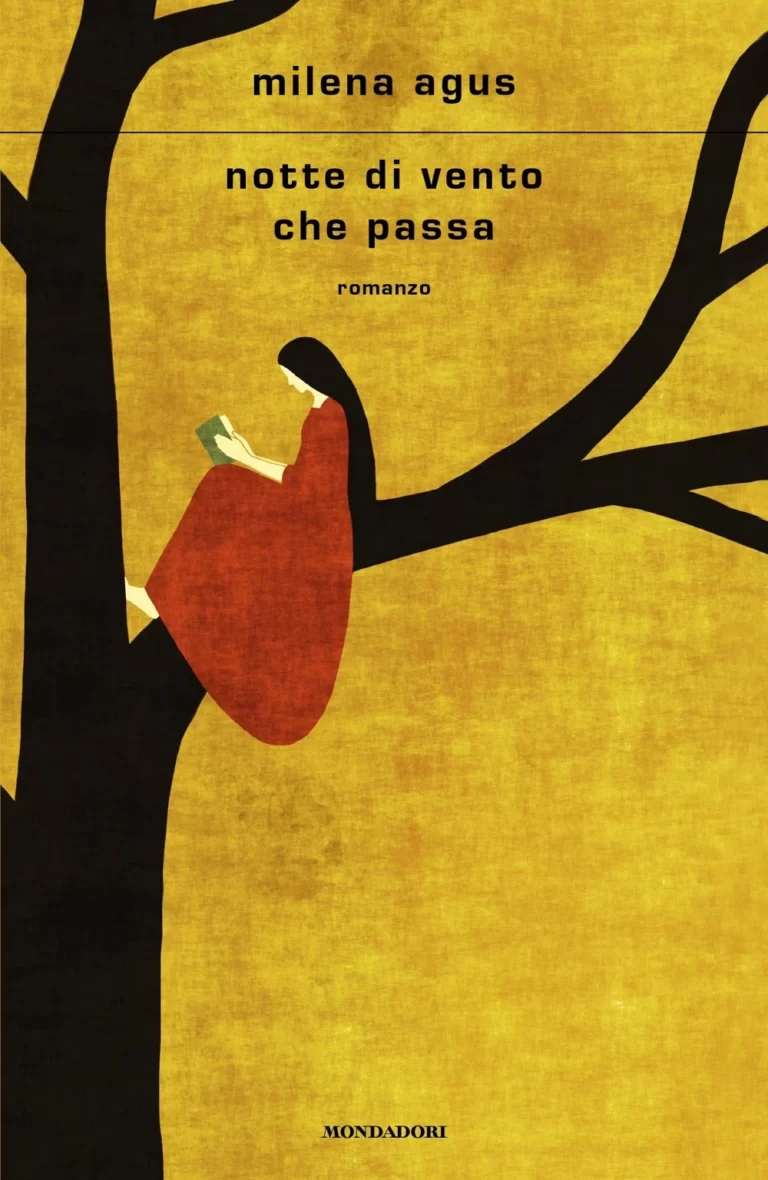
This is the story of Cosima and the most memorable year of her life, the year she turns eighteen and “lots of things happen for the first or last time”. Cosima is a dreamer. Ever since she was little, she has lived for books, turning everything around her into literature, so that even the most squalid things become poetic and fascinating in her eyes. Her father, an incurable idealist who faces poverty with cheerfulness, does the same while her mother works to support the whole family and is upset by the rumours in the village that they are low-class people, gentixedda. Then they decide to leave the countryside and move to nearby Cagliari. Here, Cosima loves going to Poetto beach and she loves her secondary school, where her literature teacher encourages her to write and to consider Calvino, Shakespeare and Deledda as friends, and one of her classmates dreams of banning the rich and transforming Sardinia into the Cuba of the Mediterranean. But Cosima often feels homesick, and during one of her returns she meets Costantino, a grumpy and tormented shepherd who loves to play the accordion. She finds him handsome, sees the Heathcliff of Wuthering Heights in him and, despite her best friend’s warnings, falls madly in love with him. When the real world begins to press in with its problems, Cosima is forced to climb down from the tree where, like a Rampant Baroness, she would have gladly spent her whole life. She has to plant her feet on the ground and try to understand what kind of adult she wants to become and what love she wants to pursue.
This universal tension between the desire to dream and the need to live in reality fuels Milena Agus’ writing: while it feels so clear and airy, it is truly the result of profound linguistic research. Her gaze is so original and childlike that reading her makes you laugh and marvel at the same time, as sometimes happens when the truth is told by children or wise people.