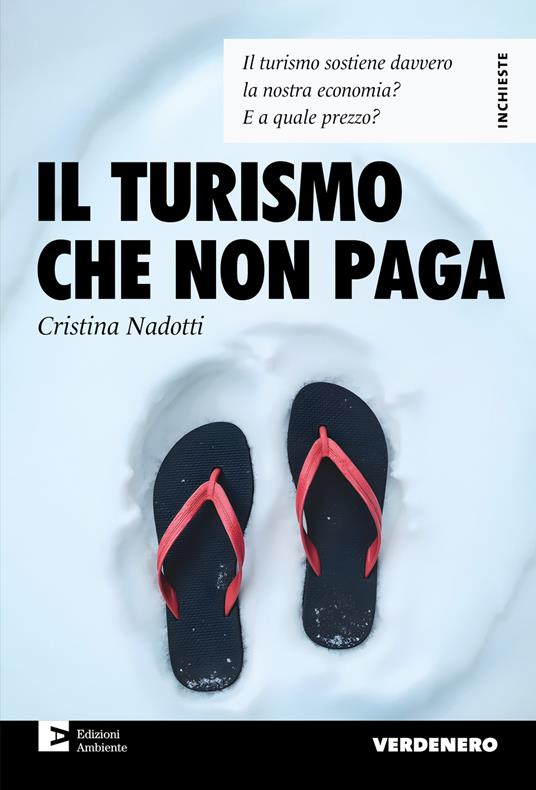
How many times have we heard that tourism is the driving force behind economic development, creating jobs, as if it was a magic wand that will bring rivers of money to villages on the verge of abandonment? But what happens when a city becomes a “city of art”, a village an “authentic hamlet” and a beach an “Instagrammable location”? What happens to the area and its inhabitants when places are converted to products for the use and consumption of tourists? What impact does all this have on our environmental and cultural heritage?
The truth is that tourism is the most contradictory of contemporary industries. There may be a very short step from opportunity for development to exploitation, depending on your point of view. For years, scientists have been compiling data and recommendations to avoid the disasters of uncontrolled tourism, but so far no one seems to be listening. It is mainly their voices that you will find in this book. Along with those of commuters who struggle to get on the train to go to work, overworked emergency room staff, park rangers who feel powerless in the face of the destruction of fragile territories, and citizens who see the dirt increasing in the streets below their homes and feel trapped by a mass that makes everyday activities more difficult. Without criminalising tourism and tourists, this new investigation (published as part of the VerdeNero series) aims to reflect on the social and environmental impacts of a sector that, by its very nature, has a profound effect on the destinations,. Zero-impact tourism does not exist, and a world without tourism is neither possible nor desirable, but the travel industry needs to change quickly, first and foremost for its own good. Cristina Nadotti provides us with a valuable toolbox for addressing the issue.